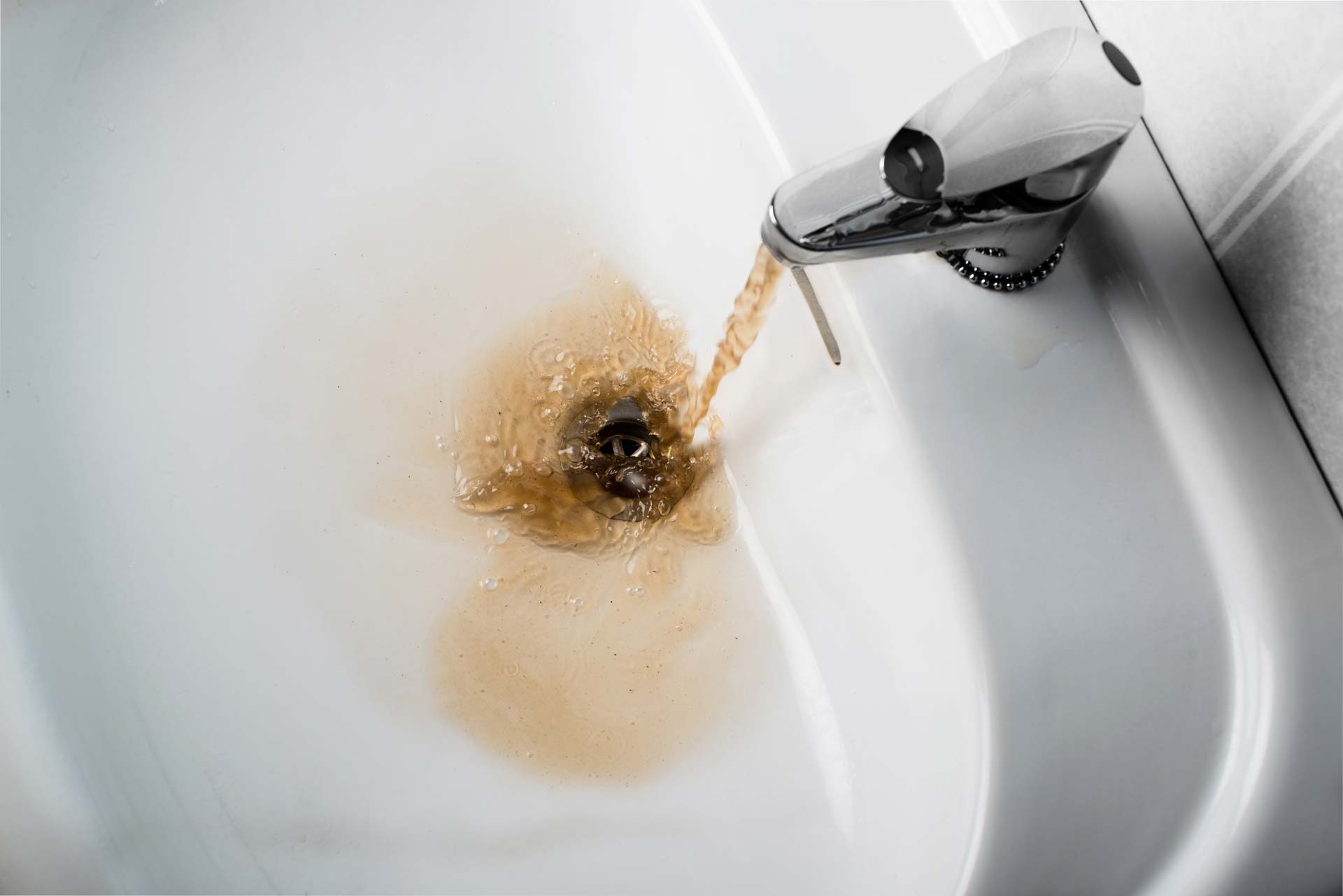
If you rely on a private well, protecting it from surface contamination is essential. Runoff from rain and snowmelt can carry bacteria, chemicals, and other pollutants right toward your water source. The good news? With smart planning and a few simple habits, you can dramatically reduce the risk.
As a locally trusted well contractor serving the Capital Region and the Berkshires since 1928, Goold Wells & Pumps has seen firsthand what works (and what doesn’t) when it comes to keeping well water safe. Here’s what every well owner should know.
Respect Safe Setback Distances
One of the most important ways to protect your well is to make sure it’s located a safe distance away from potential contamination sources on your property. “Setback distance” simply means how far your well is from things like driveways, barns, storage sheds, and areas where chemicals or fuel are kept.
If you’re planning a new well, work with a licensed well professional who understands local codes and recommended setback distances. Even with an existing well, it’s smart to look around and make sure you’re not storing fertilizers, gas cans, salt piles, or other hazardous materials close to the wellhead. When in doubt, move potential contaminants farther away and keep the area around the well clean, clear, and graded so water drains away, not toward, the casing.
Keep Septic Systems at a Safe Distance
Your septic system and your well have to coexist, but they should never be too close for comfort. A failing or overloaded septic system is one of the most common sources of bacteria and nitrates in well water. If the system is too close, or if the soil is not absorbing properly, contaminated wastewater can migrate toward your well.
You can help protect your water by:
- Ensuring your septic tank and leach field are located the proper distance from your well
- Pumping and inspecting your septic system on a regular schedule
- Avoiding putting grease, harsh chemicals, or “flushable” wipes down your drains
- Watching for warning signs like slow drains, odors, or soggy ground near the leach field
If you’re not sure how close your septic system is to your well—or how old it is—this is a good time to schedule an inspection and get clear answers.
Watch for Agricultural and Yard-Use Exposure
Farms, gardens, and even normal lawn care can all contribute to surface contamination if you’re not careful about where products are used. Manure, pesticides, herbicides, and fertilizers can all be carried by runoff and seep into the ground near your well.
To reduce the risk:
- Avoid spreading manure or fertilizer uphill from your well or too close to the wellhead
- Follow label directions carefully for any lawn or garden chemicals
- Consider using low- or no-chemical options where possible
- Keep animal pens, compost piles, and manure storage located well away from your well
Even if you’re not running a farm, these basic precautions around routine yard work can make a big difference.
Protect the Compaction Zone Around Your Well
The area immediately around your well—sometimes called the “compaction zone”—needs special care. Heavy traffic in this zone can damage the ground, disturb protective seals, and create low spots where water pools. All of this makes it easier for contaminated surface water to find a path down along the well casing.
To keep the compaction zone safe:
- Don’t drive vehicles or heavy equipment close to your well
- Avoid building patios, sheds, or livestock pens around the wellhead
- Maintain gentle grading so water naturally flows away from the well
- Make sure the sanitary cap is tight, undamaged, and above grade
If your well casing is buried, cracked, or sitting in a low, muddy spot, it’s time to have it checked by a professional.
Need Help Checking Your Well’s Protection?
Protecting your well from surface contamination isn’t a one-time project—it’s an ongoing part of being a well owner. If you’re unsure about your well’s location, setback distances, or overall condition, you don’t have to guess.
Goold Wells & Pumps has been helping homeowners protect their water supply for nearly a century. From siting and drilling new wells to inspecting existing wells and testing water quality, our licensed, bonded, and insured team can give you peace of mind that your water is safe.
If you have questions or want to schedule an inspection, give us a call today. We’ll help you protect your well—and your family’s drinking water—for years to come.