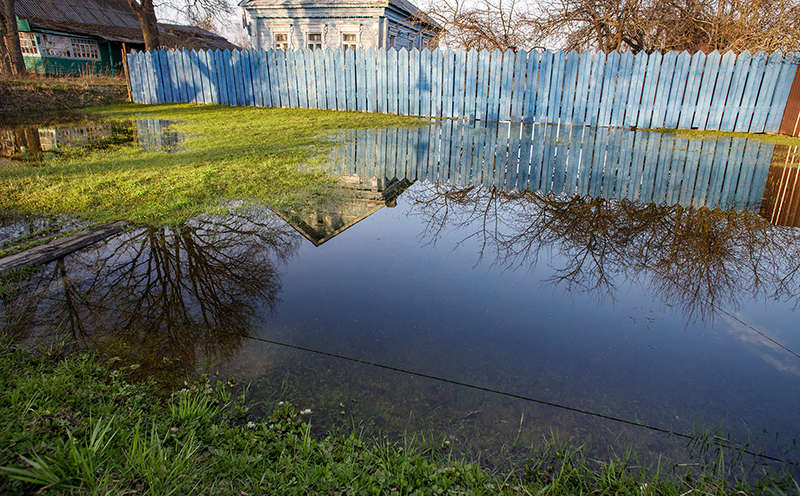
While not frequent, flooding does happen in the Berkshires due to heavy rains, snowmelt, and seasonal storms. For private well owners, these floods can be dangerous beyond the immediate emergency because they can harm water quality. Well owners should understand this risk and know when to test their water after a flood.
Introduction of Contaminants
Intense storms or sudden weather changes can impact water quality in many ways. Some are harmless, while others can make your water less palatable or even unsafe to use or drink.
The Berkshires’ topography—hills, valleys, steep slopes, and waterways—contributes to the problem. While beautiful, the varied landscape and elevation allow water and contaminants to move quickly and collect in low-lying areas during severe weather events.
Localized Water Contamination
Some flood-related water contamination is localized. A severe weather event can quite literally stir up your land and water supply. When rainfall or snowmelt saturates your soil, all the particles and minerals can suddenly move around more.
Water that passes through agitated soil can look hazy or cloudy. It can also carry contaminants, like minerals, sediment, and heavy metals, that would normally stay in the soil and not enter the water supply.
Runoff Contamination
When flooding occurs, water tends to move quickly from one area to another. It can pick up myriad contaminants along the way, including:
- Fertilizer and pesticide residue
- Animal waste
- Oil
- Grease
Even if you normally wouldn’t worry about these substances, floodwater runoff can introduce them to your property or water supply without warning. If floodwater reaches your property, you never know what it might bring.
Wastewater Issues
Flooding can also overload municipal sewage and wastewater systems. Sewage and wastewater contaminants can then enter the water supply and reach private wells.
Plant failures can also cause this type of contamination. Storms and flooding can cause power outages, equipment damage, or other problems for water and sewage treatment plants. If the plants can’t operate properly, sewage and wastewater can back up and spread widely.
When to Get Post-Storm Water Testing
Generally, it’s never wrong to test your well water, whether or not it’s after a flood. If water testing will give you peace of mind, do it.
That said, you should definitely have your water tested by a reputable lab in certain situations. Remember: you can’t sense all contaminants, so water testing is the only way to ensure your water is safe.
After a flood, you should absolutely test your water if:
- You notice changes in your water quality
- Your water pressure or flow rate changes (either swinging between normal and abnormal or changing altogether)
- Your well sustained physical damage
- Your wellhead was covered by floodwater
- Your property is near any known hazards or contaminants caused by the flooding
Keep in mind, a professional should conduct your well water testing. Home testing kits can’t detect the same range of contaminants, and your household’s health and well-being depend on a safe water supply. Your well contractor may be able to perform accurate testing, or you may need to work directly with a state-certified lab.
If you need post-flooding well assistance or water testing in Valatie or the region, call Goold Wells & Pumps today. We know wells, and we know the area. Goold Wells & Pumps has been providing expert well installation, service, and testing for over 90 years. Count on us for prompt service, excellent customer care, and comprehensive expertise in all well-related matters. Goold Wells & Pumps—Trusted Name Since 1928.